
Species guide
European Robin: how to recognise it
A bird seen on most continents. Learn the marks that make it easy to identify, then practise with real photographs in Lore.
Practise with real photosAll species guides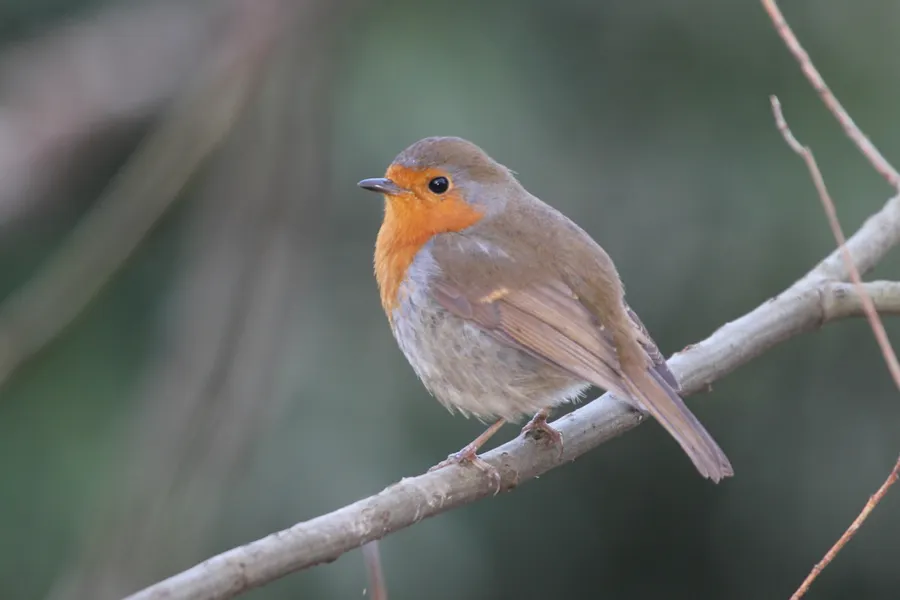
Photo © naturpel · CC BY-NC · iNaturalist · all photo credits
- Scientific name
- Erithacus rubecula
- Family
- Old World Flycatchers, Robins, and Chats
- Size
- About 12–14 cm
- Habitat
- Gardens, parks and woodland
- Found in
- Europe, Africa, Asia and North America
The key marks
An orange-red face and breast edged with grey, a brown back and a pale belly. The sexes look alike; young birds are spotted brown.
Voice
A thin, wistful, warbling song and a sharp “tic-tic”.
Good to know
Both males and females sing and defend a territory, so robins can be heard singing even in winter.
Where and when
You can expect to find it in gardens, parks and woodland. It is especially common in the United Kingdom, Spain and the Netherlands. Distribution changes with the seasons and from year to year, so check a recent local observation source before you go looking.