
Little Grebe: how to recognise it
A bird seen on most continents. Learn the marks that make it easy to identify, then practise with real photographs in Lore.
Practise with real photosAll species guides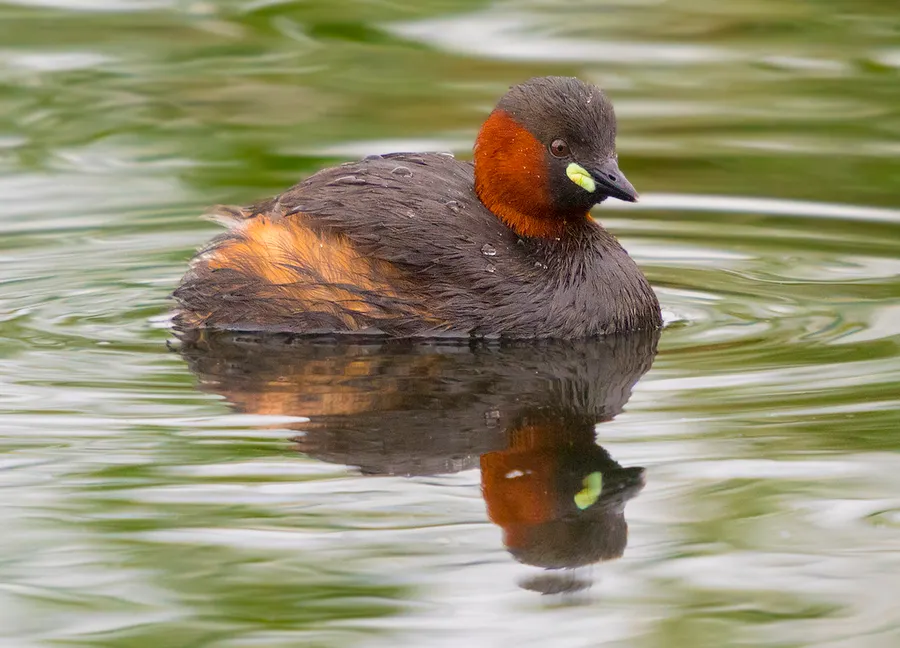
Photo © jjulio2000 · CC BY-NC · iNaturalist · all photo credits
- Scientific name
- Tachybaptus ruficollis
- Family
- Grebes
- Size
- About 26 cm
- Habitat
- Ponds, ditches and small lakes with vegetation
- Found in
- Europe, Africa, Asia and Oceania
The key marks
Small, round grebe with a fluffy rear end; in summer a chestnut throat and cheeks and a yellow spot at the bill base, in winter plain buff-brown. Black-necked Grebe has a black neck and golden ear tufts in summer and is black-and-white in winter.
Voice
A loud, whinnying trill, like a horse.
Good to know
When disturbed it can sink slowly until only its head shows above the water.
Do not confuse with
Compare it with the Black-necked Grebe. Look at the marks above one by one rather than the overall colour, and practise telling the two apart with real photos.
Where and when
You can expect to find it in ponds, ditches and small lakes with vegetation. It is especially common in China. Distribution changes with the seasons and from year to year, so check a recent local observation source before you go looking.