
African Sacred Ibis: how to recognise it
A bird seen on most continents. Learn the marks that make it easy to identify, then practise with real photographs in Lore.
Practise with real photosAll species guides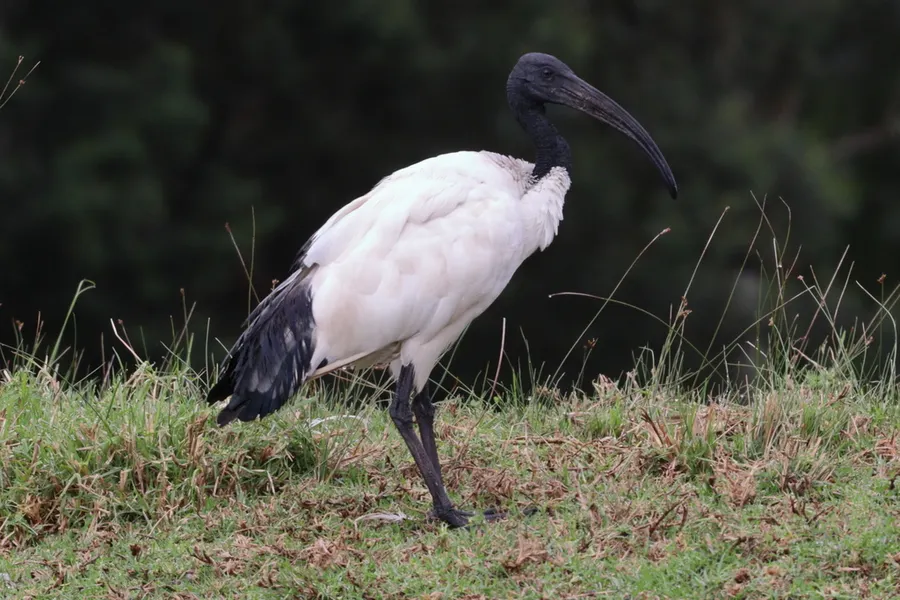
Photo © CI Jay · CC BY-NC · iNaturalist · all photo credits
- Scientific name
- Threskiornis aethiopicus
- Family
- Ibises and Spoonbills
- Size
- About 82 cm
- Habitat
- Wetlands, shores and farmland
- Found in
- Europe, Africa, Asia and North America
The key marks
White ibis with a bare black head and neck, a long down-curved black bill and black plumes on the rear. White Ibis has a pink-red bare face, bill and legs, is smaller, and shows black only at the wing tips.
Voice
Usually quiet; hoarse croaks and grunts at breeding colonies.
Good to know
The ancient Egyptians held it sacred, linked it with the god Thoth and mummified many.
Do not confuse with
Compare it with the White Ibis. Look at the marks above one by one rather than the overall colour, and practise telling the two apart with real photos.
Where and when
You can expect to find it in wetlands, shores and farmland. It is especially common in Kenya, South Africa and Tanzania. Distribution changes with the seasons and from year to year, so check a recent local observation source before you go looking.